Space burial allows a symbolic portion of ashes to be launched into orbit, the moon, or deep space, offering a cosmic farewell beyond Earth’s atmosphere.
Key Things To Know
Sending ashes into space is a powerful symbolic gesture. Here are the main points to understand before choosing this out-of-this-world memorial option:
- Only a small amount of ashes is sent Providers fly a small, symbolic portion of the ashes, usually about 1 gram per person.
- Larger allocations are available on some missions at higher prices, up to roughly 7 grams.
- The rest of the remains stay with your family, so a space flight can be combined with burial, scattering, or a keepsake.
- There are different types of space burials Missions come in four kinds.
- Orbital flights: the remains circle Earth before reentering and burning up like a shooting star. Providers generally describe this as lasting months to years depending on the mission, and some orbits are designed to last considerably longer.
- Lunar flights: ashes are sent to the surface of the moon.
- Deep space flights: ashes are launched on a trajectory beyond Earth’s orbit.
- Suborbital flights: a brief spaceflight followed by return of the capsule to Earth.
- It’s a symbolic tribute, not a full disposition Because only a tiny portion of ashes is sent, this is considered a symbolic memorial. Families still need to record the official disposition of the full remains.
- Launches are scheduled in batches Flights are often planned months or even a year in advance. The deceased’s ashes are stored until launch and can be tracked by families once the mission is underway.
- Memorial services may be offered Some companies host pre-launch ceremonies or livestream the launch, giving families a way to gather and celebrate the moment.
- It's often more accessible than people expect While it sounds like something reserved for astronauts, space burials can start at under $3,000 for a basic suborbital flight, with higher costs for lunar or deep space missions.
Articles
 Different Final Resting Place Options: Honoring Your Loved Ones’ Legacy
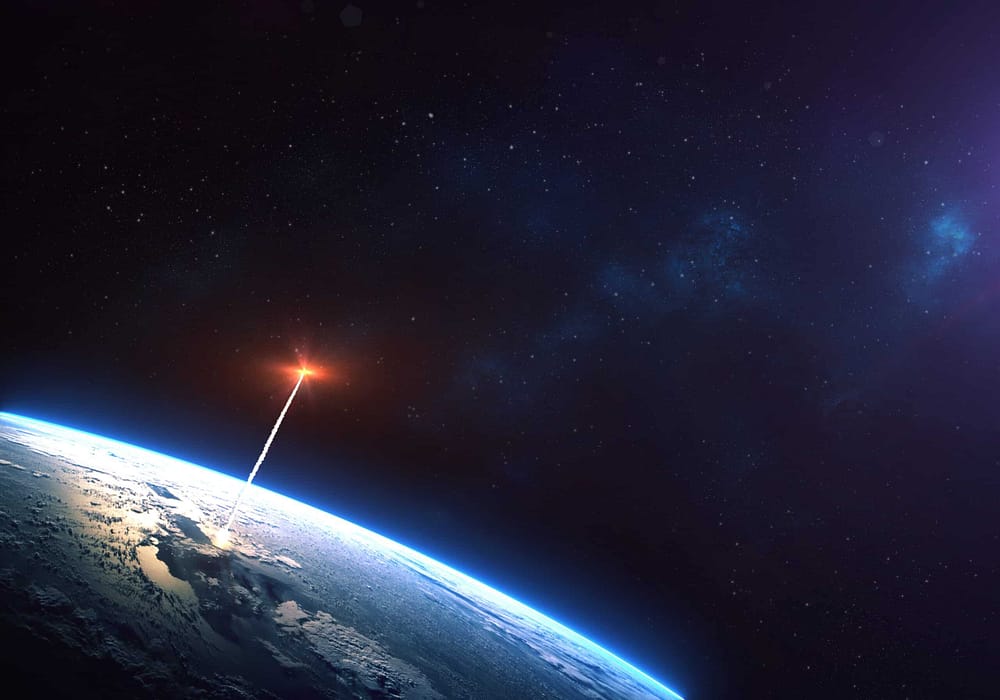 The History and Future of Space Burials
- 8 Things to Know About Space Burial
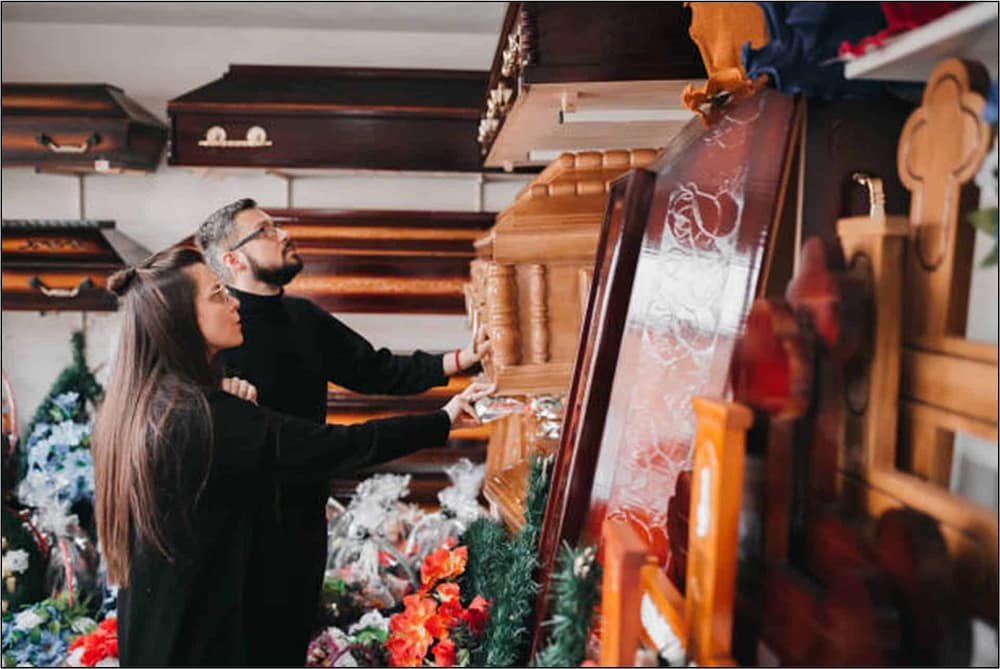 Innovative End-of-Life Burial Options: 17 Companies Offering Unique and Personalized Memorials
Frequently Asked Questions
How much of the ashes are sent into space?
Usually about 1 gram is included in the launch, with larger allocations available on some missions. The rest of the ashes remain with the family and can be used for other memorials or final disposition.
Can I choose where in space the ashes go?
To some degree, yes. You can choose between orbital, lunar, deep space, or suborbital flights. Each has a different cost, timeline, and symbolic meaning.
What happens to the ashes in orbit?
For orbital flights, ashes orbit the Earth until the capsule naturally reenters the atmosphere, where it burns up, effectively creating a “shooting star” farewell.
Are the ashes scattered in space?
No. Due to international space law and spacecraft safety, ashes are sealed in a capsule. They're not released into open space but remain part of the craft during its journey.
Can I attend the launch or watch it live?
Many companies offer livestreams of the launch, and some host in-person events where families can witness the launch and participate in memorial activities.
Is this legal?
Yes. Licensed companies comply with aerospace regulations and international treaties. They partner with commercial spaceflight providers and follow strict handling procedures.
Can pets have a space burial?
Yes. Several services allow for the inclusion of pet ashes, and many offer pet-specific memorial options.