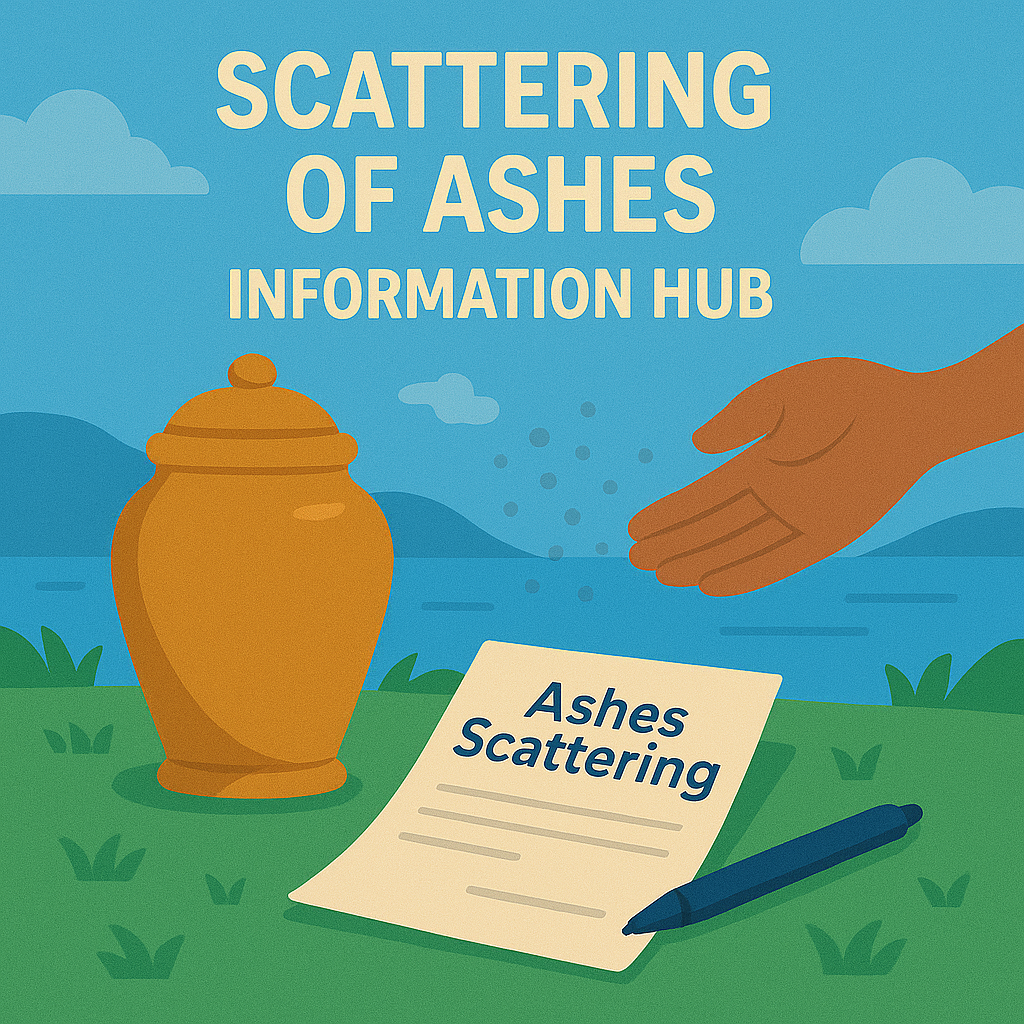
Scattering ashes is a meaningful way to honor a loved one’s life and their connection to the world around them. This hub provides resources, guidance, and support to help families choose a location, understand the rules that apply, and plan a farewell that feels right.
This Information Hub Is Developed In Collaboration With The Cremation Association of North America
Cremation Association of North America (CANA) understands future trends and what they mean for your business. In support of our members and all those involved in cremation, we strive to provide the most current, relevant and practical cremation curriculum in the market.
Key Things To Know
Scattering ashes can be a beautiful, symbolic farewell. Before you plan, there are a few important things to consider about locations, legalities, and traditions.
- Permissions may be required Some public lands, parks, and waters need permits before ashes can be scattered.
- Private property needs consent You must have the landowner’s permission before scattering ashes on private land.
- Laws vary by location State and local regulations can affect where and how ashes can be scattered.
- Biodegradable urns are an option These urns are designed to break down naturally in water or soil during scattering.
- Multiple scattering sites are allowed Ashes can be divided among family members and scattered in several locations.
- At-sea scattering has special rules Under U.S. law, ashes must be scattered at least three nautical miles from shore.
- Weather and timing matter Choose a day and setting that are safe, respectful, and fitting for the ceremony you envision.
- Environmental sensitivity is important Be mindful of delicate ecosystems when scattering ashes in natural areas.
- Ceremonies can be as formal or informal as you like A scattering can be a quiet private moment or a full gathering with music, readings, and traditions.
Articles
- When Ashes and Human Compost Become One
- 12 Things You Didn’t Know You Could Do With Your Loved One’s Ashes
- Can You Scatter Ashes in National Parks? What to Know Before You Go
- Innovative End-of-Life Burial Options: 17 Companies Offering Unique and Personalized Memorials
Frequently Asked Questions
Here are answers to common questions about planning a scattering of ashes ceremony and honoring your loved one’s wishes.
1. Can I scatter ashes anywhere I want?
Not always. Public lands, private properties, and waterways often have rules or require permission for scattering ashes.
2. Do I need a permit to scatter ashes?
It depends on the location. Some parks, beaches, and public lands require a permit for scattering ceremonies.
3. What about scattering ashes at sea?
U.S. law requires ashes to be scattered at least three nautical miles from shore, and you must report the scattering to the EPA within 30 days.
4. Can I divide ashes and scatter them in different places?
Yes. Many families choose to divide ashes among several meaningful locations.
5. Are biodegradable urns required?
They are not required, but they are a good option if you are scattering in nature or water.
6. Can I scatter ashes on private property?
Yes, but you must get permission from the property owner first.
7. Is scattering ashes allowed in national parks?
Some national parks allow it with permission and certain restrictions. Check with the park office in advance.
8. What kind of ceremony can I have when scattering ashes?
You can create any ceremony you like, from a small private moment to a larger gathering with music, readings, or prayers.
9. Can ashes harm the environment?
Ashes are usually sterile and safe, but scattering too much in a fragile ecosystem can cause concerns. Always be mindful of sensitive areas.
For Cremation Professionals
If you work in cremation services, funeral care, or crematory operations, we have resources to help you learn more about the profession and connect with additional industry support.
Explore End-of-Life Careers >>